

By Handel Law Group · October 5, 2026
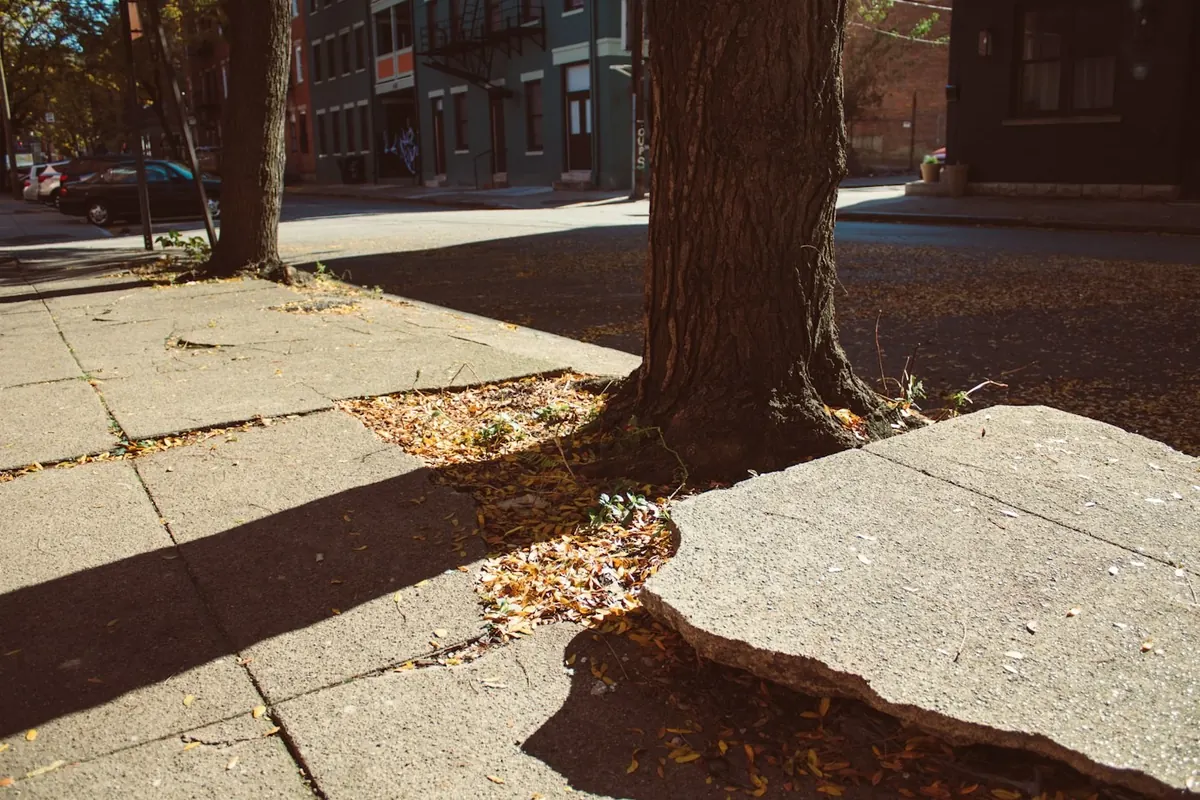
If a broken city sidewalk, a dangerous road, or a crash with a government vehicle left you hurt in San Diego, there is a deadline you need to know about. Claims against cities, counties, the State of California, and other public agencies follow different rules than claims against private people or businesses. The biggest difference is time. In most injury cases, you have only six months to take the first step.
Key takeaways
- Before you can sue a public entity in California for an injury, you generally must first file a written government claim.
- For personal injury and wrongful death, that claim is usually due within six months of the injury or death.
- The agency then generally has 45 days to respond. If it denies the claim in writing, you usually have six months from that notice to file a lawsuit.
- Missing these deadlines can end a case before it starts.
What counts as a "public entity"?
A public entity is any government body. In San Diego, that can include:
- The City of San Diego and other cities in the county
- The County of San Diego
- The State of California, including Caltrans, which maintains state highways and freeways
- Public school districts
- Public transit agencies
Common injuries involving a public entity include a trip and fall on a raised or broken public sidewalk, a crash caused by a missing stop sign or a poorly maintained road, a collision with a city or county vehicle, or an injury on public property such as a park or government building.
The six-month government claim deadline
Under the Government Claims Act, you usually cannot file a lawsuit against a public entity until you first present a written claim to that entity. California Government Code section 911.2 requires claims for death or personal injury to be presented no later than six months after the cause of action accrues. In most cases, that means six months from the date of the injury.
This is much shorter than the two-year deadline that applies to most personal injury cases against private parties.
The claim must include certain information, such as the date and place of the incident, a description of what happened, and the injuries or losses claimed. Each agency has its own process:
- City of San Diego: claims go to the city's Risk Management Department. The city accepts claims through its online Public Liability Claims Portal, or by mail or in person using its claim form (Form RM-9).
- State of California, including Caltrans: claims go to the Department of General Services Government Claims Program. The state generally requires a $25 filing fee, or a request to waive the fee.
- Other agencies: counties, school districts, and transit agencies each have their own claim forms and addresses.
Filing with the wrong agency can cause problems, and identifying the right one is not always simple. A single stretch of road or sidewalk may involve the city, the county, the state, or a private property owner.
What happens after the claim is filed?
Under Government Code section 912.4, the agency generally has 45 days to act. If it does not respond in that time, the claim is treated as rejected.
What happens next affects the lawsuit deadline:
- If the agency sends a written rejection notice, you generally have six months from the date that notice was mailed or delivered to file a lawsuit (Government Code section 945.6).
- If the agency does not send a written notice, you generally have two years from the date of the injury to file a lawsuit.
What if I already missed the six-month deadline?
All is not necessarily lost. Government Code section 911.4 allows a person to apply for permission to present a late claim. The application must be made within a reasonable time, and no later than one year after the injury, and it must explain the reason for the delay. If it is denied, there is a separate process to ask a court for relief. Neither is guaranteed, so acting early matters.
Proving a claim for a dangerous public condition
Filing on time is only the first step. When an injury is caused by the condition of public property, such as a sidewalk, street, or park, Government Code section 835 generally requires showing that:
- The property was in a dangerous condition when the injury happened
- The dangerous condition caused the injury
- The condition created a reasonably foreseeable risk of that kind of injury
- A public employee created the condition, or the agency knew or should have known about it in time to fix it
Photos, measurements of a sidewalk lift or pothole, witness information, and records of prior complaints can all matter. Public property is often repaired quickly, so document the scene early.
Steps to take after an injury involving a public entity
- Get medical care and follow your treatment plan.
- Photograph the exact location, up close and from a distance, and note the date and time.
- Collect names and phone numbers of any witnesses.
- Keep your medical records, bills, and receipts.
- Mark your calendar with the six-month date, and contact an attorney well before it.
Talk with a San Diego injury attorney
If you were hurt on public property or in a crash involving a government vehicle, Handel Law Group can help you understand your deadlines and options. Our family-run firm has served injured people in San Diego and throughout California since 1987. Consultations are free, and there is no attorney fee unless we recover money for you.
Call us at 858.756.5195, or call or text our 24/7 line at 858.207.4677, answered by a real person. We can meet you at home or in the hospital, or talk by video or phone. Se habla español.
This article provides general information about California law, not legal advice. Every case is different.
Learn more: Slip & Falls · Free consultation
This article provides general information about California law, not legal advice. Every case is different. For advice about your situation, call us for a free consultation.